Chinese intangible cultural heritage craft
Reserved for a piece with a verifiable craft designation, place, lineage or recognized inheritor relationship.
CRAFT JOURNAL · 文化与手艺
Three editorial paths connect what you see to where it comes from, how it is made and why it belongs in contemporary life.
 01
01文化与手艺
Patterns, techniques, histories and the care required when translating cultural knowledge.
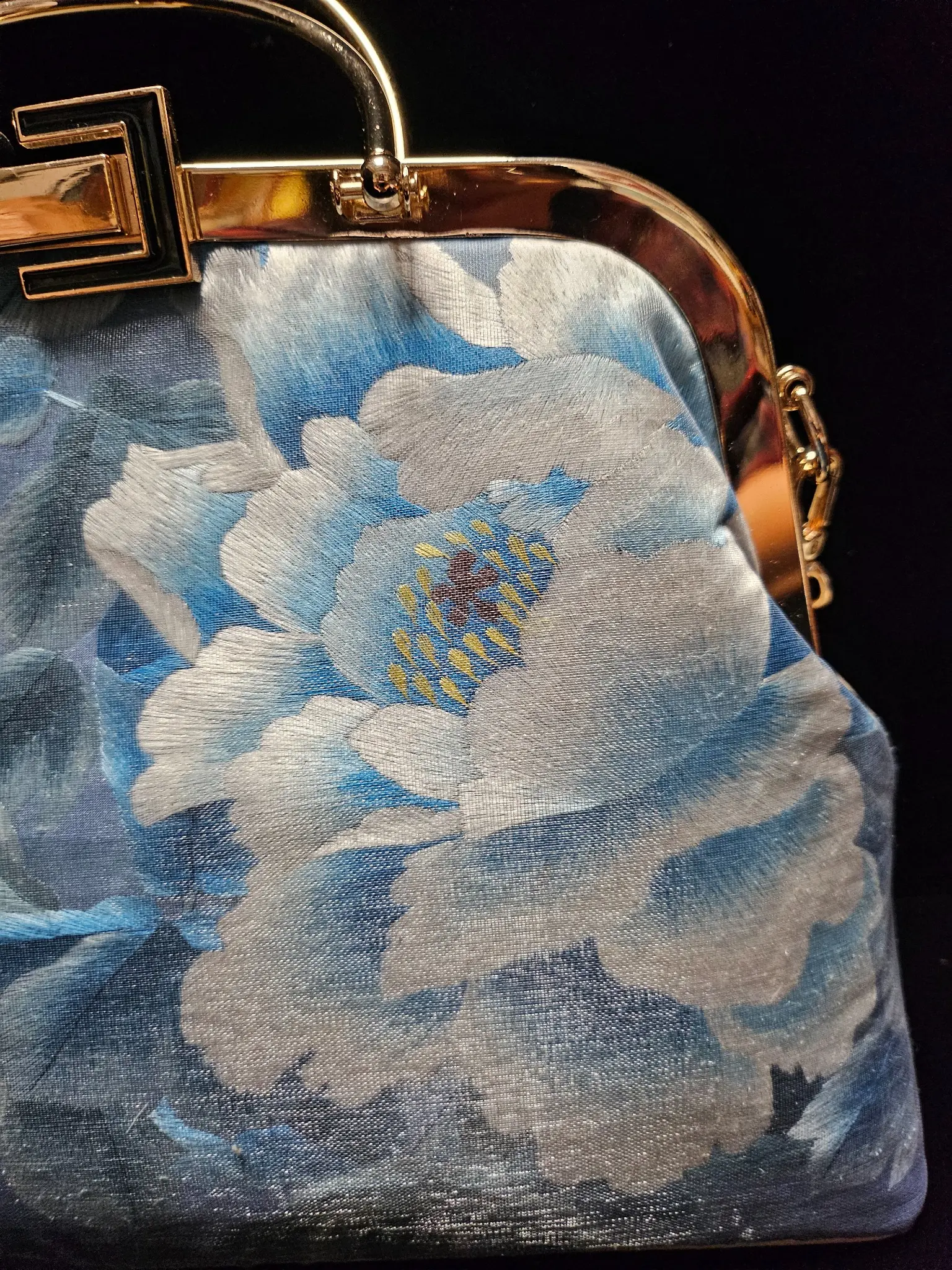
FIELD NOTE · BIAN EMBROIDERY
Pictorial embroidery does not begin with filling an outline. It begins with looking: where a petal turns, how a pale edge meets a darker ground, and which direction allows thread to hold light. The craft is demanding because the maker must first understand the image, then rebuild its logic by hand.
See the blue peony piece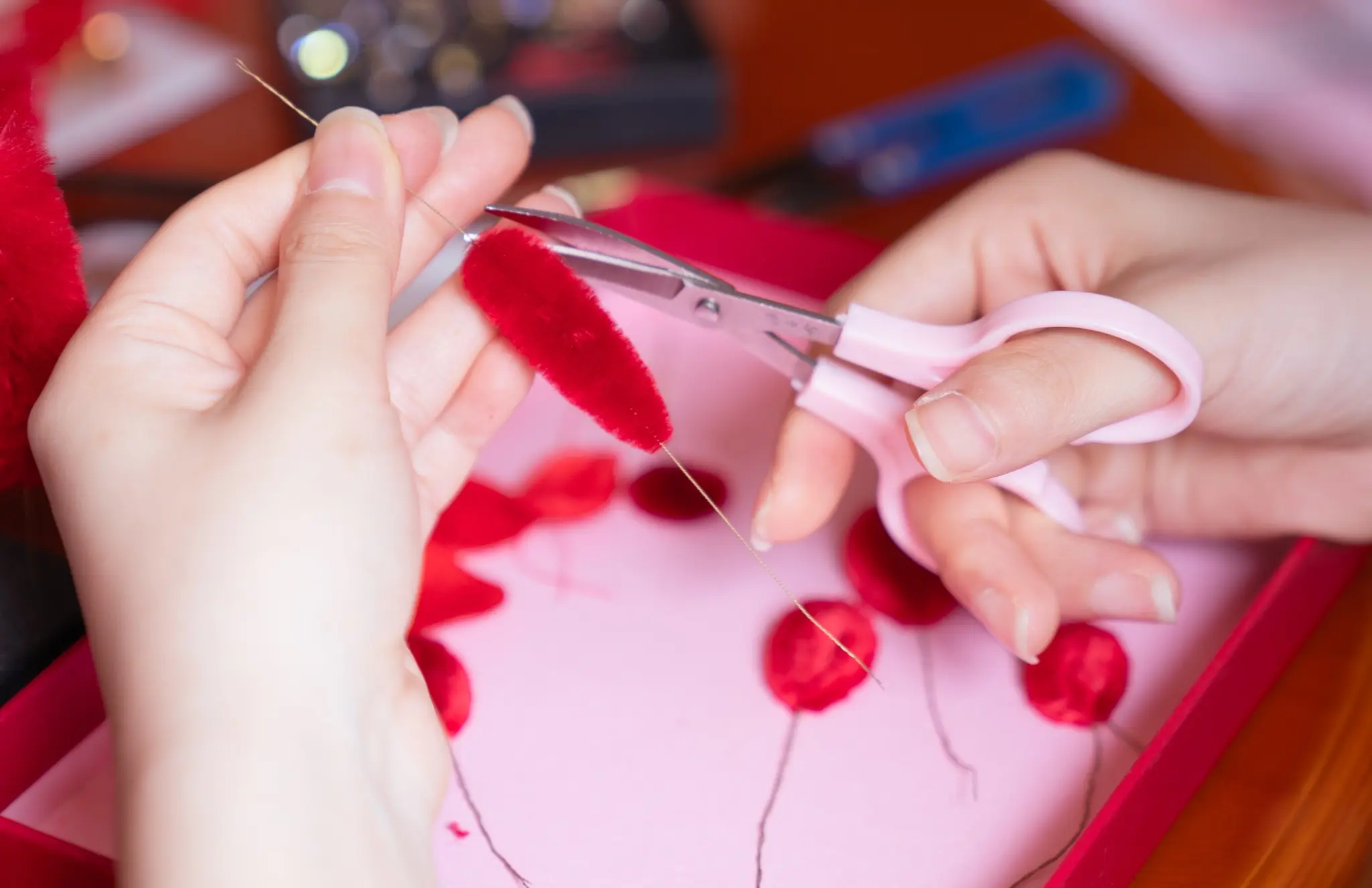 02
02制作与材料
Hands at work, material choices, packaging and the small decisions that shape a finished piece.
PROCESS NOTE · CHANHUA
In wrapped-flower work, the line of the leaf and the curve of a petal emerge through many small acts: preparing the frame, wrapping thread evenly, shaping, joining and adjusting. A finished ornament looks light because the structure beneath it has been carefully controlled.
Explore wrapped floral ornaments 03
03关于自我与生活
Founder reflections on individuality, restraint, beauty and the relationship between people and things.
FOUNDER NOTE · THE SELF
曾经觉得“成为更好的自己”,是更漂亮、更优秀、更成功。后来才明白,真正的更好,是越来越知道什么适合自己,也敢于选择与拒绝。物的意义也一样:不是拥有更多,而是留下真正与自己有关的东西。
Read the brand storyA NOTE ON LANGUAGE
Credibility depends on knowing when a formal designation applies—and when it does not.
Reserved for a piece with a verifiable craft designation, place, lineage or recognized inheritor relationship.
Clear language for work grounded in an established technique when no specific official designation is being claimed.
Appropriate when a maker transforms traditional methods, motifs or structures for present-day use.